
Triumph Safaris

Mount Kilimanjaro Climbing

Plan Your Next Adventure

Start Your Kilimanjaro Trip Now

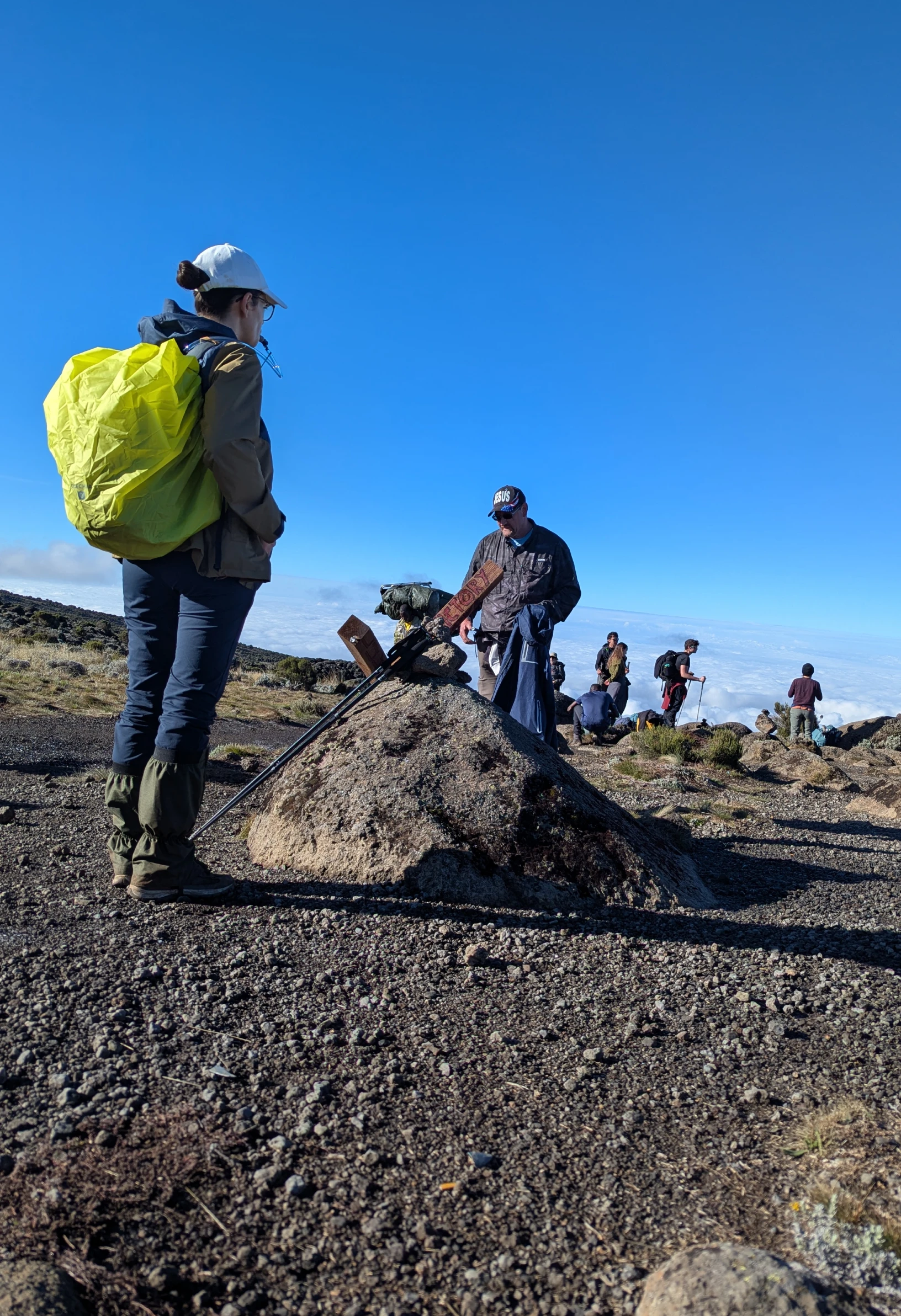
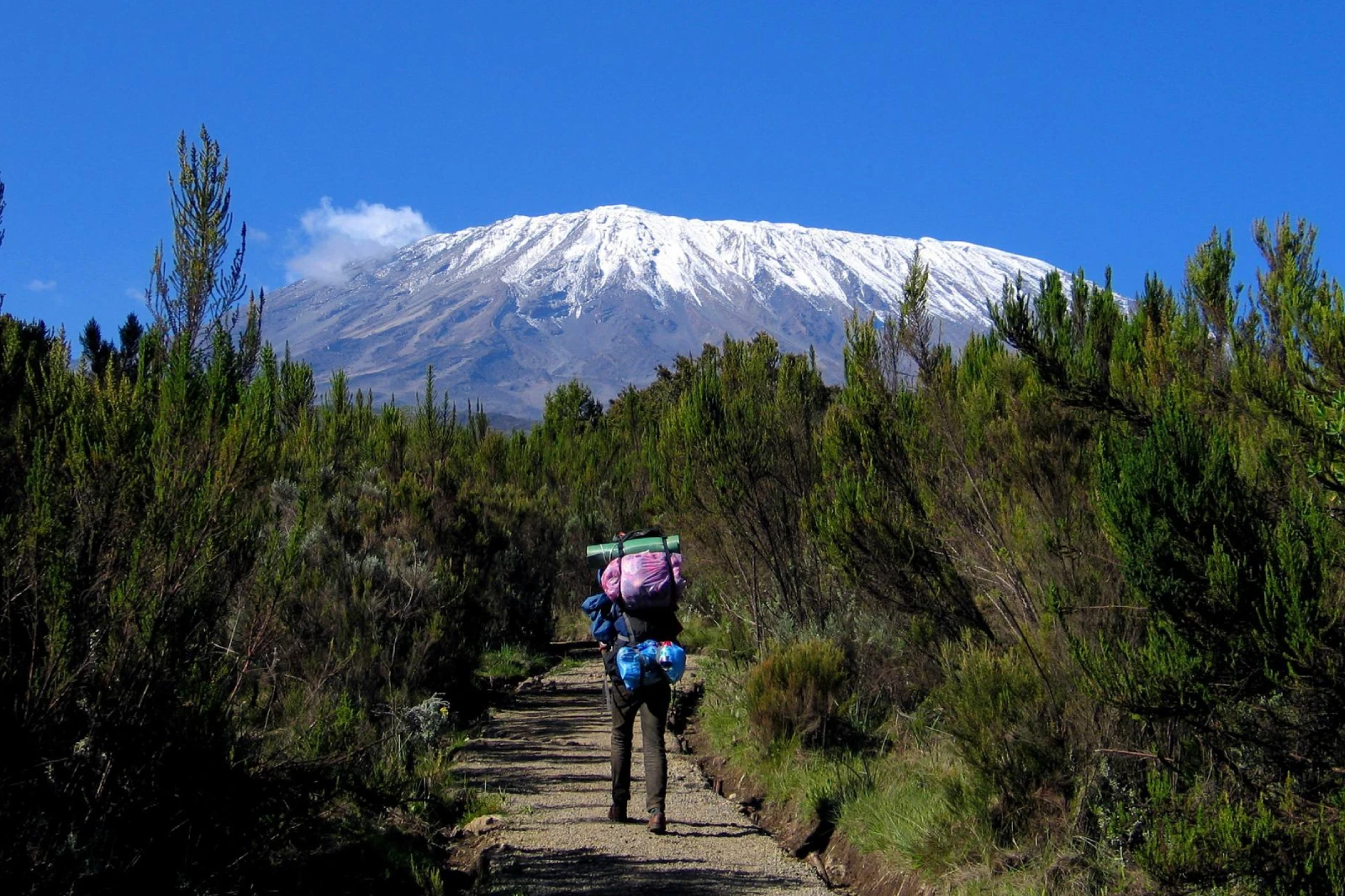
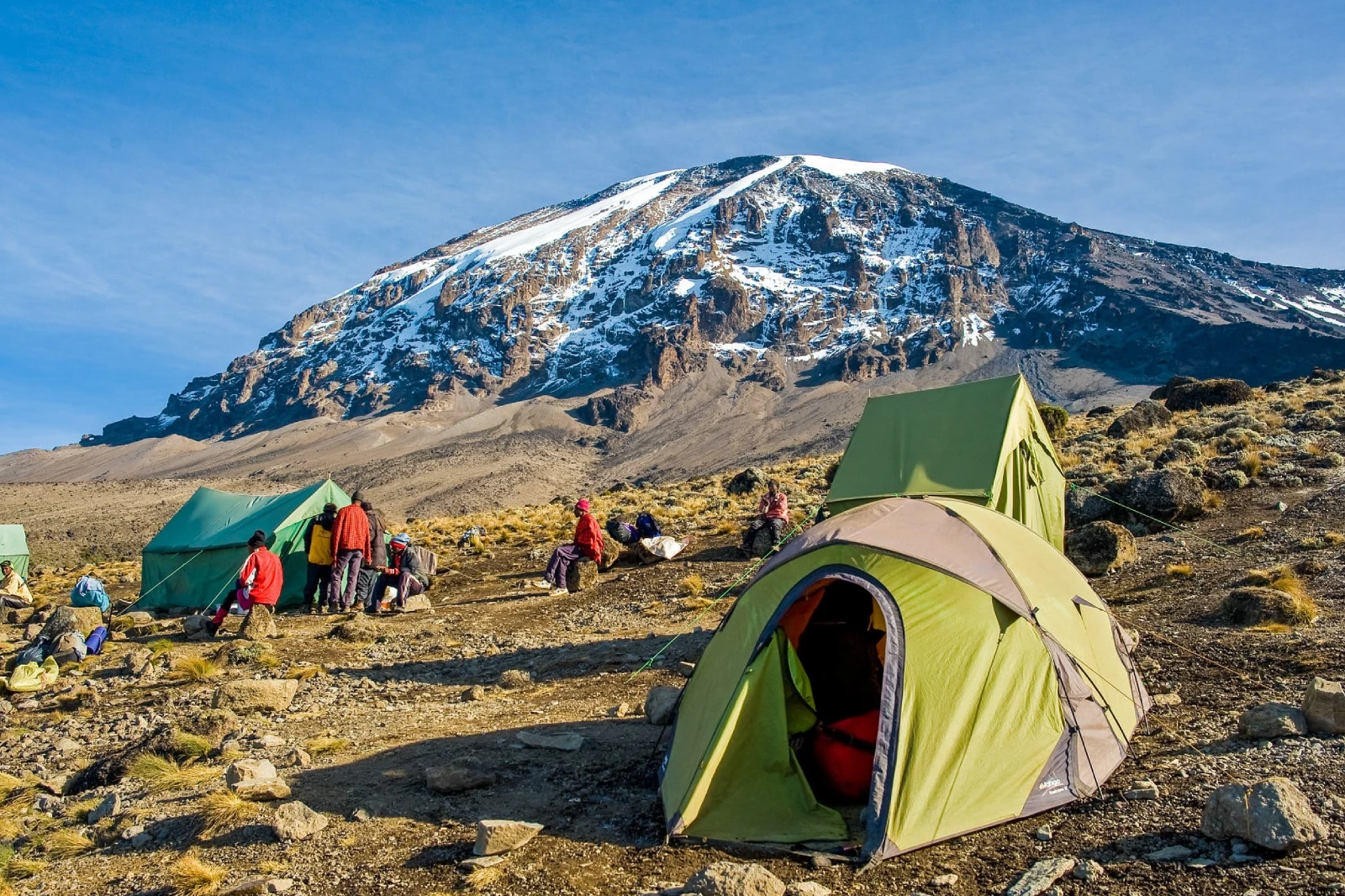
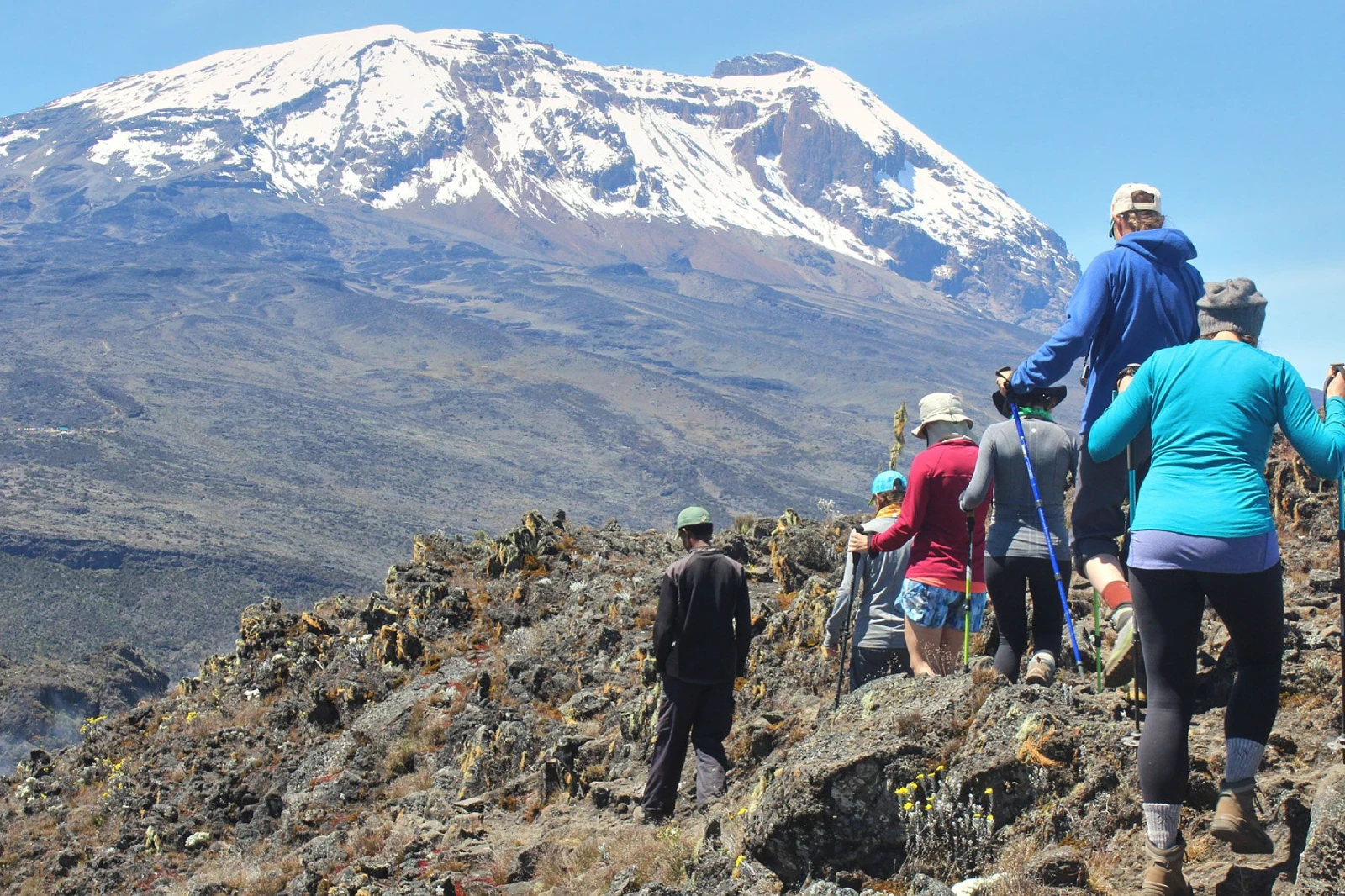
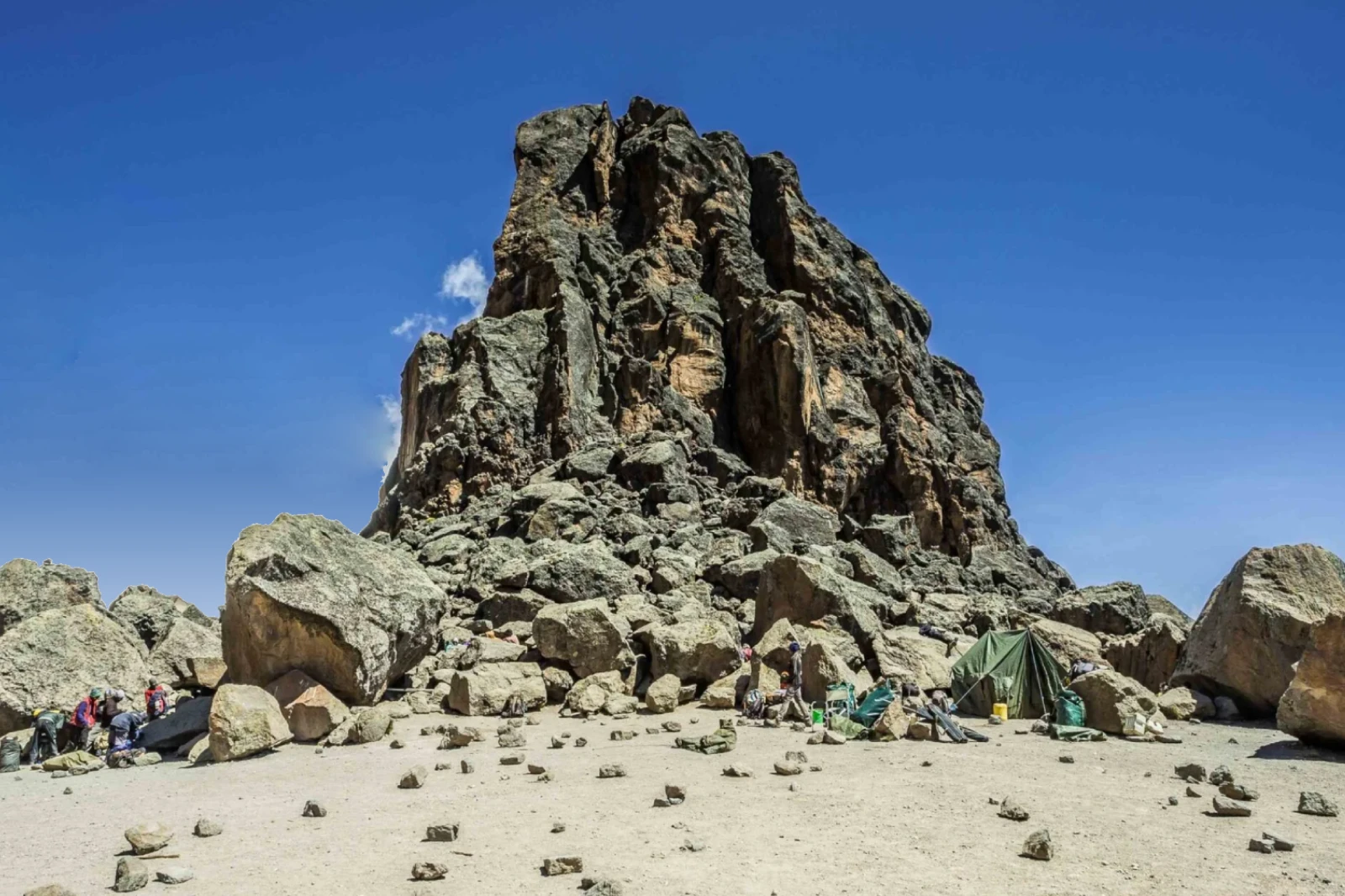
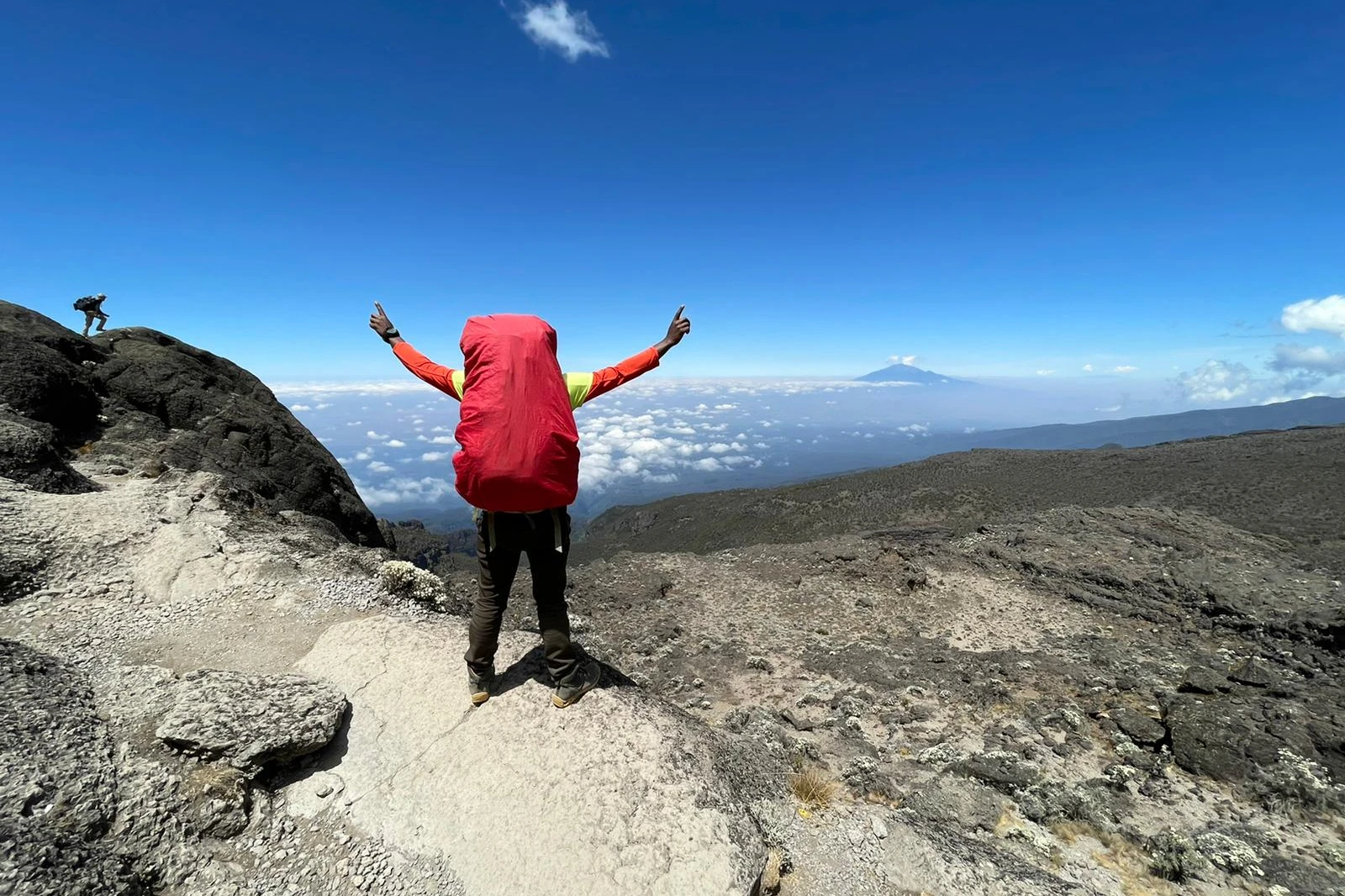
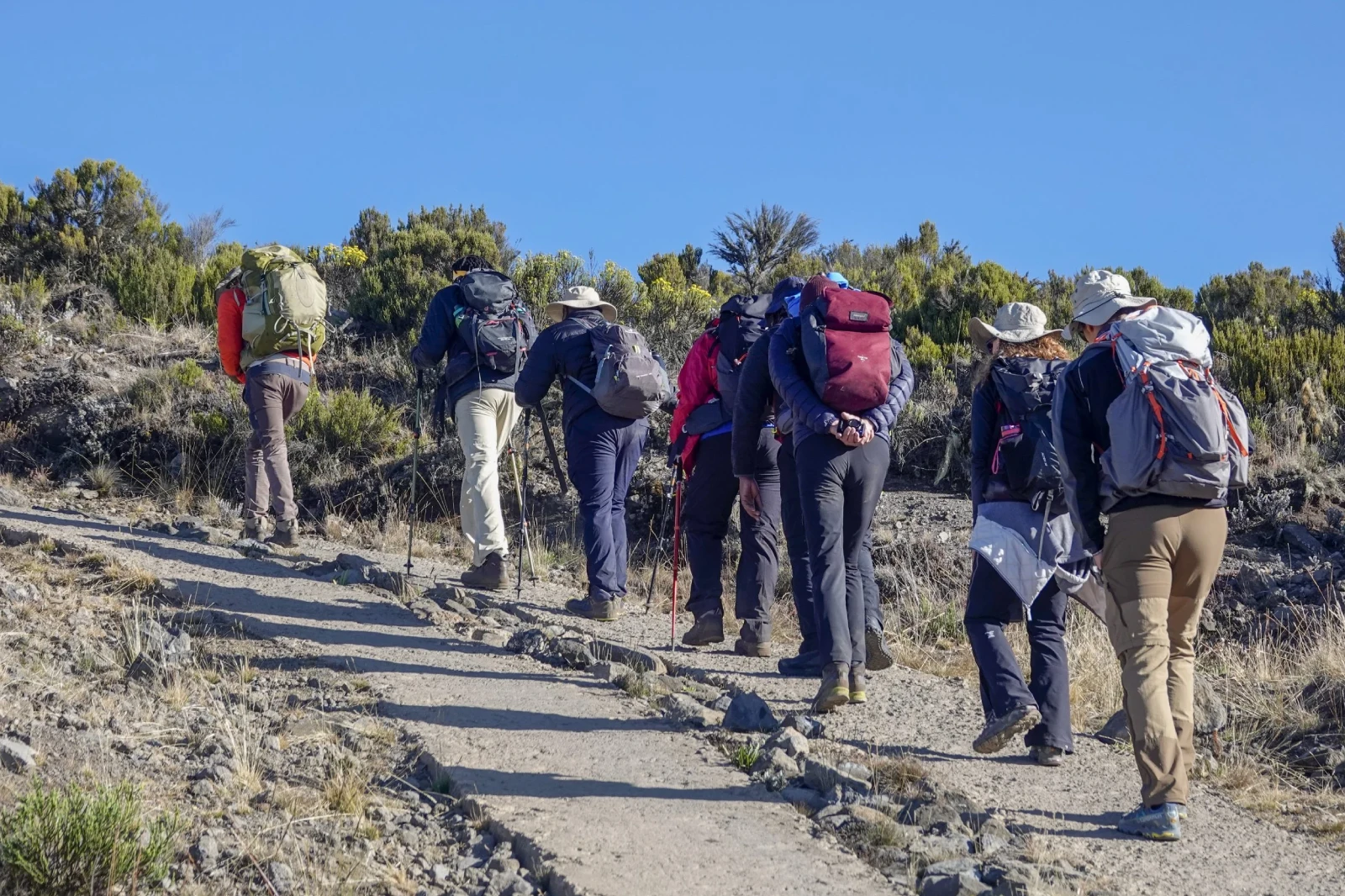
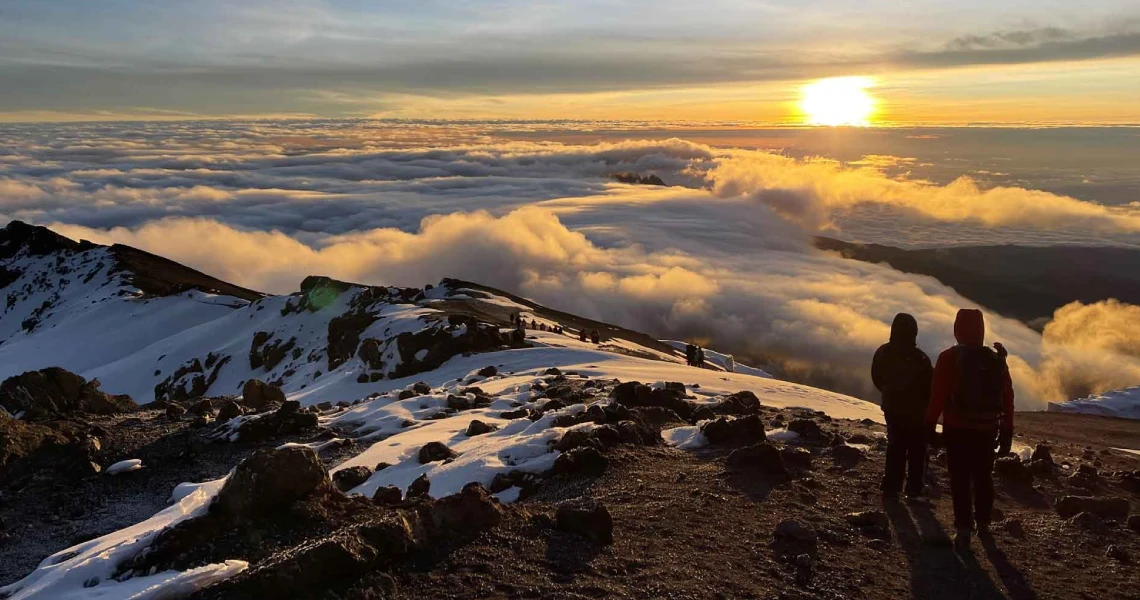
Climbing Mount Kilimanjaro is one of the world’s most iconic adventures, drawing trekkers from across the globe to summit Africa’s highest peak. Standing at 5,895 meters (19,341 feet), Kilimanjaro offers a unique experience, taking climbers through five distinct ecosystems, from lush rainforests to alpine deserts and glacial landscapes. Each ascent is a journey through changing environments, offering breathtaking views and an unmatched sense of achievement upon reaching the summit, Uhuru Peak.

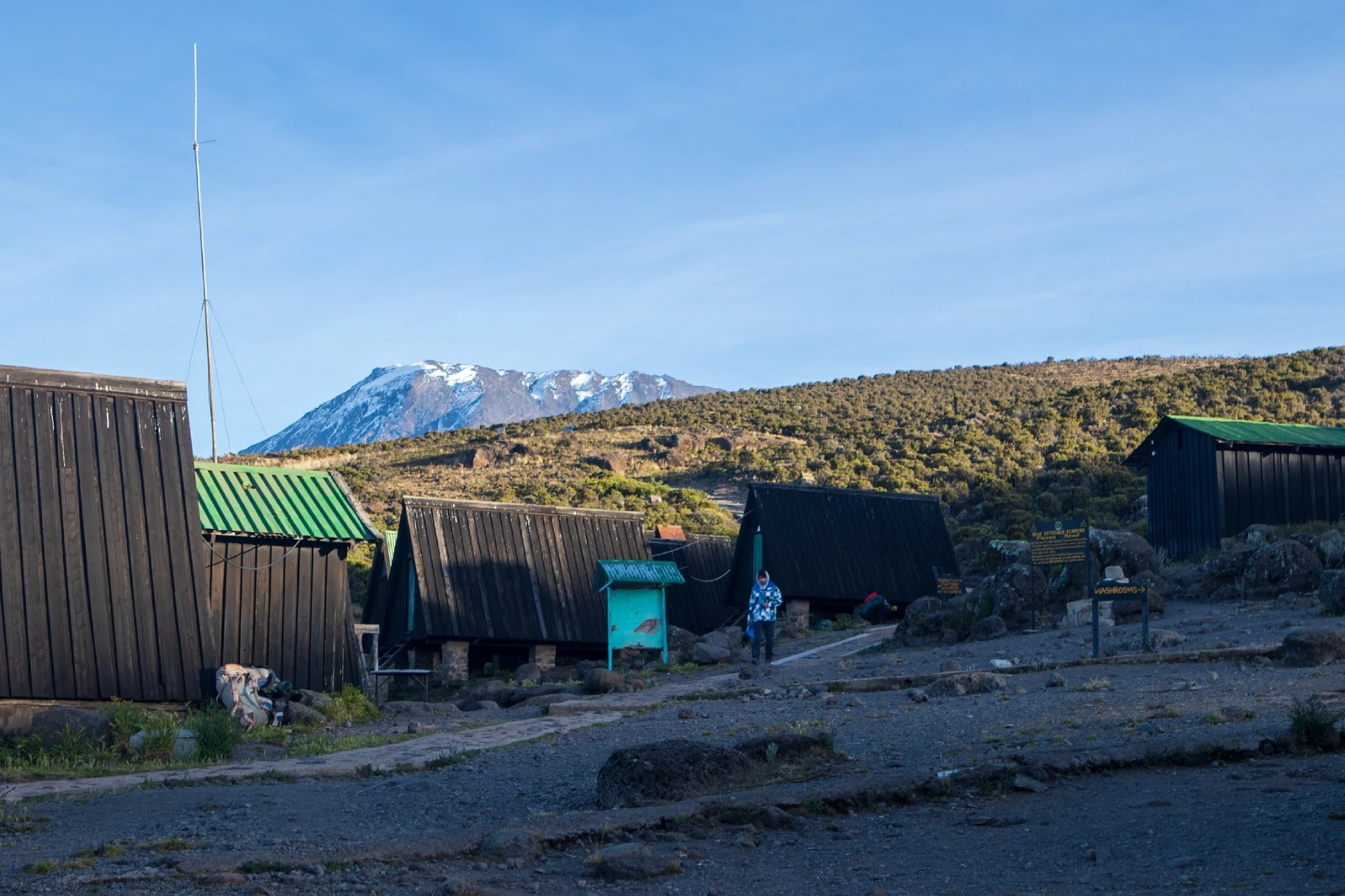
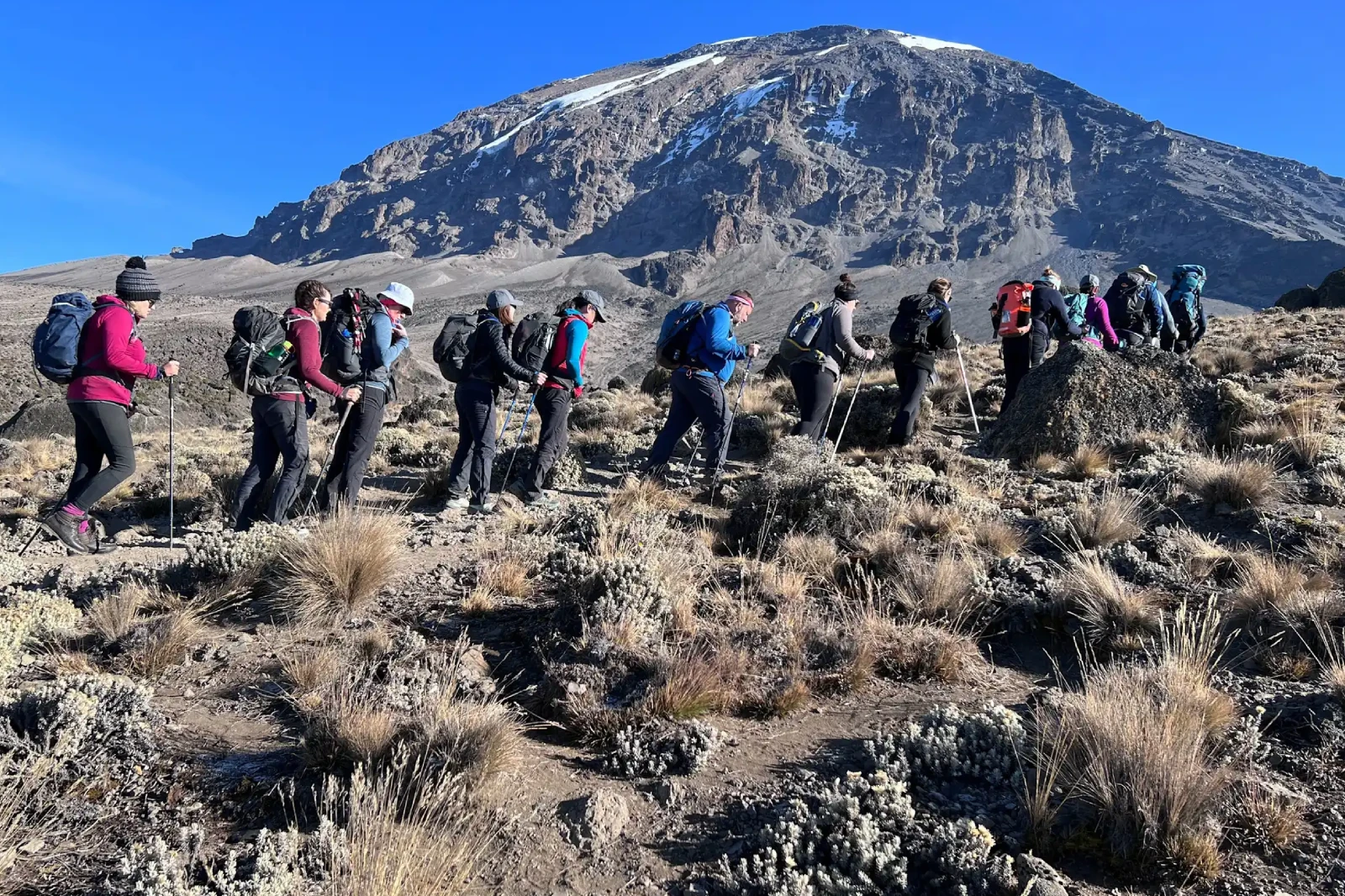
The climb is suitable for anyone with a moderate level of fitness and a strong sense of adventure. There are various routes to choose from, including the Machame, Marangu, Lemosho, and Rongai Route, each offering different challenges and experiences. Whether you’re a seasoned mountaineer or a first-time trekker, Kilimanjaro provides a memorable and accessible adventure. The trek typically takes between 5 to 9 days, depending on the chosen route, and guides and porters are there to ensure safety and comfort.

we offer expertly crafted Mount Kilimanjaro Climbing experiences, ensuring that your ascent to Uhuru Peak is not only challenging but also safe, enriching, and filled with awe-inspiring moments.  We want to give you as much information as possible to help you make this choice.

A shorter trek via the Marangu Route, perfect for those seeking a quicker Kilimanjaro summit experience.

On Request

Trek through diverse landscapes on the Machame Route, reaching Kilimanjaro’s summit in six challenging days.

On Request

The Rongai Route offers a 7-day climb with fewer crowds and breathtaking vistas of Kilimanjaro.

On Request

Enjoy a scenic 7-day trek on the Machame Route, with optimal acclimatization and stunning views.

On Request

Go on a 7-day trek through the Lemosho Route, known for its beautiful scenery & gradual ascent.

On Request

A scenic Shira Route trek with high-altitude beauty and iconic Kilimanjaro views.

On Request

Northern Circuit offers a long, scenic Kilimanjaro route with high success and quiet beauty.

On Request

A steep, challenging 7-day Umbwe climb offering rugged trails, great views, and a direct ascent.

On Request

Climbing Kilimanjaro

Conquer Africa’s Highest Peak on an Unforgettable Adventure

Join us on an unforgettable adventure to Mount Kilimanjaro’s summit, and experience breathtaking views and achievement!

Best Time to Climb Kilimanjaro 

Timing is everything when it comes to scaling Africa’s highest peak. The Best Time to Climb Kilimanjaro during the dry seasons, spanning late June to October and late December to March. These months offer clear skies, making for safer and more enjoyable treks. Avoiding the wet seasons is advisable, as heavy rainfall can pose challenges such as slippery trails and difficult terrain. 

How to Prepare for Climbing Kilimanjaro  

Preparing for a Kilimanjaro climb goes beyond physical fitness, although that is undeniably important. Engage in regular cardiovascular and strength training exercises to build endurance. Acclimate your body to higher altitudes through gradual ascent routes and simulated high-altitude conditions. Preparing yourself with the right gear, including sturdy hiking boots and weather-appropriate clothing, is equally vital. Mental preparation is key; knowing what to expect and maintaining a positive mindset will contribute to a successful journey. 

Kilimanjaro Routes 

Choosing the right Kilimanjaro Routes is a pivotal decision that can significantly impact your climb. Options like the Machame, Lemosho, and Marangu Routes each offer a unique experience in terms of scenery and difficulty. Whether you seek a challenging ascent with Machame or a more comfortable climb via Marangu, understanding the nuances of each route ensures you select the one that aligns with your preferences and capabilities. 

Kilimanjaro Altitude Sickness 

Altitude sickness is common on Mount Kilimanjaro due to rapid ascent and reduced oxygen at high elevations. Climbers may experience headaches, nausea, dizziness, fatigue and shortness of breath. Severe forms like HAPE or HACE can develop if symptoms are ignored. To reduce risk, ascend slowly, take acclimatization breaks, stay hydrated, eat well and monitor your body. Kilimanjaro Altitude Sickness is a real concern, but proper acclimatization, hydration, and awareness of symptoms can mitigate risks. 

Ready For Your Adventure?

Ready to explore Tanzania’s wild beauty? Let us design your perfect safari adventure with our expert guides, personalized itineraries, and unforgettable experiences. Book your journey now!

Explore a journey to Mount Kilimanjaro, Africa’s highest peak, is an extraordinary adventure. To ensure a successful and enjoyable expedition, careful planning is essential. Start by selecting the right Kilimanjaro Route based on your preferences and fitness level, and considering factors like acclimatization and safety. Ensure you have the appropriate gear and physically prepare for the climb. Review visa requirements, travel insurance, and health precautions.  

Lastly, embrace the awe-inspiring landscapes, expert guidance, and unforgettable moments that await as you conquer the iconic Kilimanjaro. Are you ready to explore the ultimate adventure of a lifetime? Look no further than Triumph Safaris, your trusted partner in exploring the magnificent Mount Kilimanjaro. As a premier expedition provider, we specialize in crafting unforgettable Kilimanjaro Climbing experiences that blend adventure, comfort, and safety into one incredible journey.  

Have questions you want answers to?

frequently Ask Questions

Find answers to your Kilimanjaro questions, from routes to preparation tips, for an unforgettable adventure!

Climbing Kilimanjaro is challenging but achievable for most people with moderate fitness levels. It doesn’t require technical climbing skills, but the high altitude and rugged terrain demand stamina and proper acclimatization. Success largely depends on physical preparation, choosing the right route, and listening to your body during the climb. Adequate rest and hydration are key to completing the trek.

The best times to climb Kilimanjaro are during the dry seasons: from June to October and December to February. These months offer clearer skies, more stable weather, and better visibility for wildlife sightings. The green season (March to May) has lush landscapes but may be rainy and less popular due to fewer climbers and more challenging conditions.

Climbing Kilimanjaro typically takes between 5 to 9 days, depending on the route you choose. Some routes, like the Marangu, can be completed in as few as five days, while others, like the Lemosho or Machame routes, take seven to nine days. Longer treks allow better acclimatization, which improves your chances of successfully summiting the mountain.

No prior climbing experience is necessary to summit Mount Kilimanjaro. The mountain is accessible to trekkers with moderate fitness, and most routes are non-technical. However, preparation is crucial, as the climb is physically demanding due to the altitude. Proper training, conditioning, and understanding the challenges of high-altitude trekking will increase your chances of success.

The best route for climbing Kilimanjaro depends on your experience level, time available, and personal preference. The Marangu route is the easiest and most popular, with huts for accommodation. The Machame route offers stunning views but is more challenging. The Lemosho and Rongai routes are quieter and more scenic, offering a better chance of successful summiting due to better acclimatization.

While no technical climbing skills are required, a moderate level of fitness is essential. The climb involves long days of trekking at high altitudes, so cardiovascular fitness, strength, and endurance are key. If you're comfortable with moderate hiking, you’ll be well-prepared. Training should focus on stamina, leg strength, and aerobic conditioning, along with gradual acclimatization to higher altitudes.

Packing for Kilimanjaro requires layers for fluctuating temperatures, sturdy hiking boots, and essential gear for both hot and cold weather. Pack lightweight clothes for lower altitudes and warm layers for the summit. Don’t forget a rain jacket, sunscreen, a good sleeping bag, trekking poles, and a headlamp. Many companies provide porters, but you’ll still need a personal day pack for essentials.

The cost of climbing Kilimanjaro varies depending on the route, duration, and the company you choose. On average, the price ranges from $1,500 to $3,000, which includes permits, guides, porters, and meals. Additional expenses include travel to Tanzania, tips for guides and porters, and equipment rental. The more luxurious the experience, the higher the cost.

Next Adventure Destination

Popular Kilimanjaro
Travel Guide

Plan your next adventure with our Tanzania travel guide, exploring safaris, Mount Kilimanjaro, Zanzibar beaches, and rich cultural experiences

Kilimanjaro travel journal

Discover the true heart of Kili

Climbing Mount Kilimanjaro becomes easier with a trusted travel guide that explains routes, weather, altitude, and daily expectations. It helps you choose between Machame, Lemosho, and Marangu while preparing you for a safe, steady ascent.

A Kilimanjaro travel guide outlines essential gear, fitness tips, and acclimatization advice to help you adapt to changing conditions. It ensures every trekker understands safety, pacing, hydration, and teamwork needed for a successful summit.

Clients Feedback About Us

See Those Lovely
Words From Clients

Explore why our clients love us—read their heartfelt reviews and see the unforgettable experiences they had!

avatar
Costin Mandrila

"Amazing Safari experience! Knowledgeable guides, stunning landscapes, and abundant wildlife made our trip unforgettable and magical."

avatar
Jasmine

"Exceptional service, comfortable accommodations, and thrilling game drives. Truly a once-in-a-lifetime African adventure experience."

avatar
Felix

"Triumph Safaris exceeded our expectations with professionalism, friendly staff, and breathtaking encounters with Africa’s wildlife daily."

Let’s Chat!